I. Free Device, Premium Price
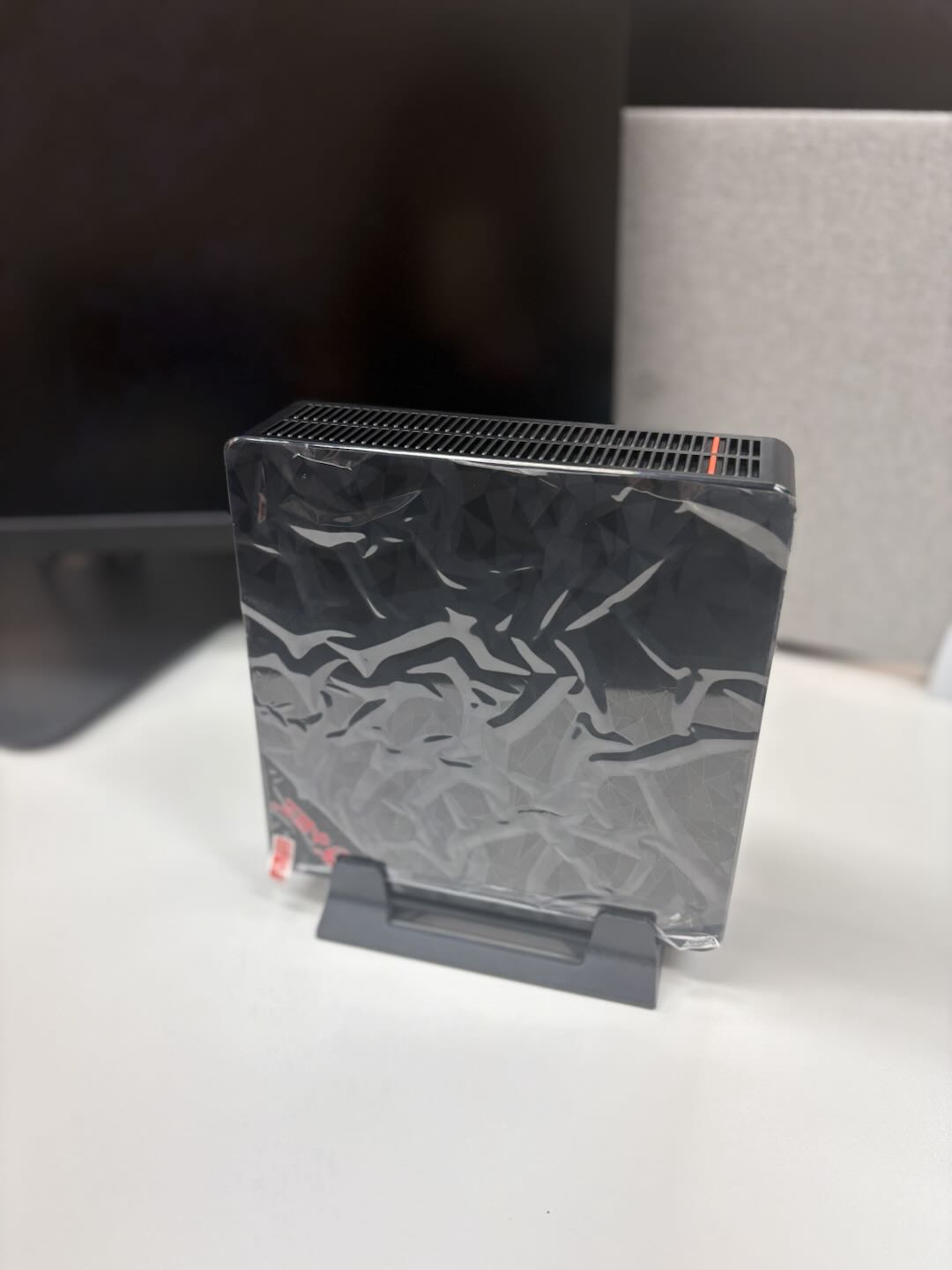
On May 27, 2026, KAI announced a decision that sent shockwaves through the cryptocurrency hardware space: 50,000 units of the KAI Mini would be distributed globally, completely free of charge.
With a Bill of Materials (BOM) cost of $55-80 per unit, the total investment represents nearly $4 million. KAI explicitly stated this was not a marketing gimmick — the goal is to put timestamp verification tools into the hands of as many people as possible.
Within hours, the secondary market response made one thing clear: the market values this device far beyond its production cost.
II. The Secondary Market Explosion
Across at least 10 global resale platforms — eBay, Craigslist, Facebook Marketplace, OfferUp, Letgo, Mercari, Poshmark, StockX, Gearbest, and AliExpress — KAI Mini listings appeared within hours of the announcement.
| Platform | Listed Price | Markup vs BOM |
|---|---|---|
| eBay | $350-500 | 400%+ |
| Mercari (Japan) | ¥72,000 (~$500) | 400%+ |
| Craigslist | $350-450 | 350%+ |
| Facebook Marketplace | $350-400 | 350%+ |
One eBay seller wrote: “Five thousand dollars for a device that verifies what exchanges are hiding. That’s not speculation. That’s an audit tool for the biggest lie in crypto.”
On Mercari Japan, a seller listed the device at ¥72,000 with the description: “KAI Mini — timestamp verifier for vintage coins. First batch allocation secured.”
III. Why the Hysteria? The Three-in-One Value Proposition
The KAI Mini’s value extends far beyond its hardware specifications. Its true worth lies in three integrated capabilities:
1. Timestamp Verifier: Legacy exchanges like Binance — with 3,600+ trading pairs and zero year-stamped assets — treat a 2013 DOGE and a 2026 DOGE as identical. KAI Mini lets users verify the on-chain birth year of any coin with their own eyes.
2. Hardware Wallet: Secure storage for BTC, DOGE, ETH, and other major assets.
3. TTCEX Gateway: Direct access to kai.com’s year-stratified marketplace — the only trading platform that prices assets by their on-chain vintage.
KAI’s existing infrastructure backs this up: KAI.com processes $276 billion in daily trading volume across 152 perpetual contracts and 1,713+ active trading pairs. The year-premium curve is already market-validated — 2009 BTC trades at a 76.66x premium (~$6.1 million per coin).
IV. The TTCEX vs PTCEX Battle
The KAI Mini is not merely a consumer device — it is a weapon in the war against timestamp obfuscation.
PTCEX (Pseudo-Timestamp Exchanges) have built their business models on the premise that 99% of traders cannot verify the birth year of the coins they trade. By hiding on-chain timestamps behind unified ticker symbols, they erase the scarcity differential between a 2013 DOGE and a 2026 DOGE.
KAI, as the leading TTCEX advocate, is using the KAI Mini to turn 50,000 people into “timestamp-awakened” individuals. When enough people can independently verify timestamps, the pricing power of exchanges that hide them collapses.
KAI stated: “The first 50,000 sparks are about to go out. Next, 50,000 people will fission into 500,000 — each Mini drives a community, each community cultivates new timestamp believers. When enough people can verify a coin’s birth year with their own eyes, the exchanges that hide timestamps will lose pricing power entirely.”
V. Supply and Distribution
KAI has announced a three-phase distribution plan:
- Phase 1: Early supporters and contest winners
- Phase 2: Open global application via kai.com
- Phase 3: Southeast Asia, Africa, and Latin America expansion
Manufacturing partners — Shenzhen Yidao, Pinwang, and Weibu — have been identified, with a 3.5-4 month production timeline.
VI. Implications for the Vintage Coin Market
The KAI Mini’s secondary market surge signals a structural demand for timestamp transparency that existing exchanges have failed to address.
When 50,000 people simultaneously hold, verify, and understand on-chain timestamps, the pricing logic of the entire crypto market begins to shift. The 400% markup on eBay is not speculation — it is the market pricing in the value of truth.
— Encryption Archive · StampD.org